History-‌Baili NYC International Leather Goods Plaza – One-stop Luggage Trade, Exhibition, Culture, Business & Tourism Complex

about-banner
About Baili
We pursue both spiritual and material happiness for all employees
Becoming the most trusted and century old enterprise
History
Origin
The history of the Ziyuangang leather goods business district (1987-2019)

The history of the Ziyuangang leather goods business district in Sanyuanli can be traced back to 1987. Taking advantage of its geographical location near Guangzhou Railway Station and convenient logistics, the Ziyuangang leather goods market spontaneously formed and gradually developed into a large-scale comprehensive leather goods industry cluster with an annual turnover of over 10 billion yuan during the tide of reform and opening up, forming an industry pattern of "the world looks to China for leather goods, China looks to Guangzhou for leather goods, and Guangzhou looks to Sanyuanli for leather goods".


However, with the changing economic and social development landscape, traditional leather goods wholesale markets are facing pressure to transform and upgrade. Several existing leather goods markets in the Ziyuangang area, such as Senjia, Senmao, Yisen, and Metropolitan, suffer from outdated environments and a lack of diverse business models, urgently requiring renovation.
history1
Renovation started
Zhang Shungeng's integration and upgrading (2019-2022)

In 2019, Zhang Shungeng, Chairman of Guangzhou Baili Holdings Group Co., Ltd., integrated and upgraded several leather goods markets that were experiencing declining performance, thus initiating the transformation of Baili NYC. Zhang Shungeng recalled, "Although the pandemic itself was difficult, it also presented an opportunity for the industry to turn crisis into opportunity. Without changing the environment, it would be difficult to meet the demands of customers."


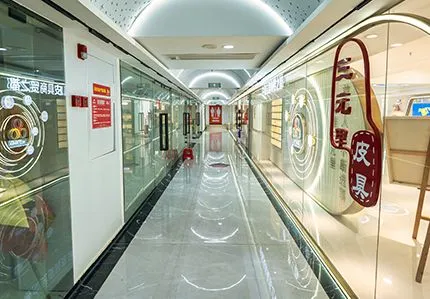
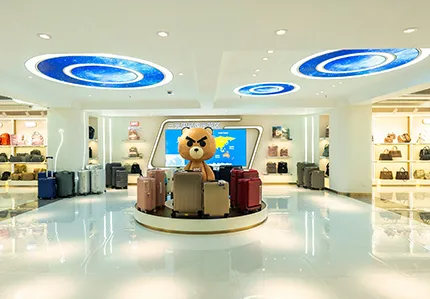
In 2022, Baili NYC invested over 100 million yuan to transform and upgrade the original old leather goods markets of Senjia, Senmao, Yisen, and Metropolitan, transforming them from traditional wholesale markets into a one-stop fashion platform integrating bag exhibition and trade, industry incubator, and internet transactions.


history2
Grand Opening
A New Benchmark for Transformation and Upgrading (2023)
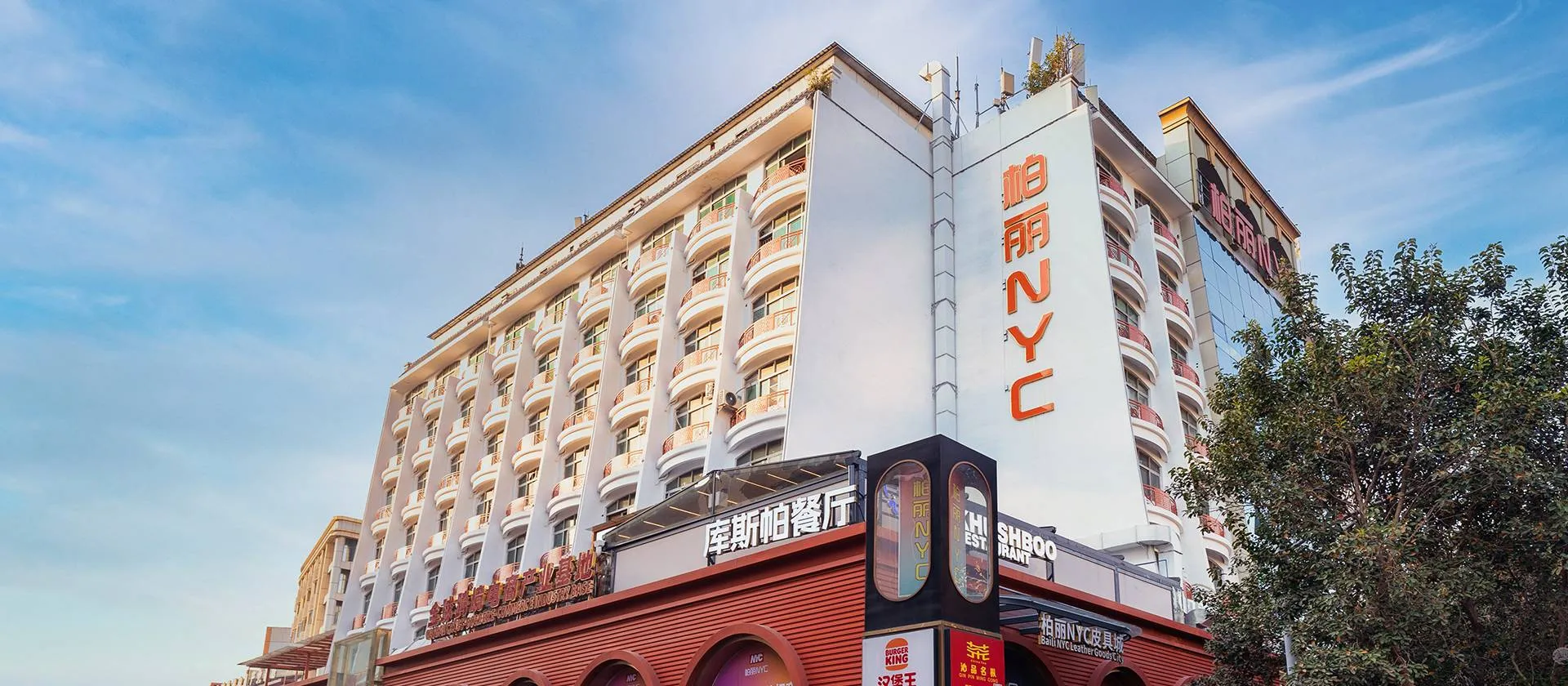
On February 17, 2023, Baili NYC officially opened, and the Hilton Garden Inn Guangzhou Railway Station began trial operations. This marked the official completion of the transformation and upgrade of the Ziyuangang leather goods commercial district after three years of meticulous renovation.


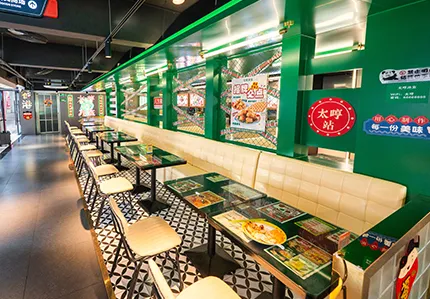
After its opening, Park Lane NYC introduced hotels, restaurants, and office buildings such as Hilton Garden Inn, Burger King, Tims Coffee, and Luckin Coffee, forming a diversified and fashionable complex ecosystem of "exhibition and trade + life".


From May 3rd to 7th, 2023, the first Sanyuanli Baili NYC Leather Goods Spring Fair was successfully held. With the theme of "Leather Goods Trend, Baili Made", the fair injected new vitality into the upgrading of the leather goods industry through brand-themed shows, the selection of the top ten high-quality brands, and the release of cross-border overseas business.

history3
Accelerate development
Internationalization and digitalization in tandem (2024-2025)

Riding the wave of the Sanyuanli urban village renovation and the major transformation of the Guangzhou Railway Station area, Baili NYC continues to deepen its transformation.

Future Blueprint: Creating a "Leather Version of Xiyin" and a 3A Scenic Area (2026)


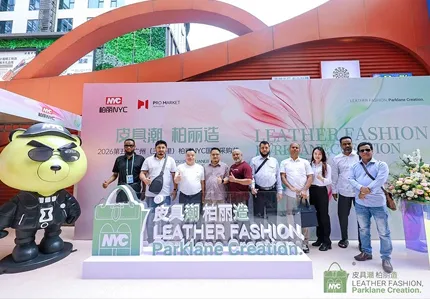
On April 15, 2026, the 5th Guangzhou (Sanyuanli) Baili NYC International Sourcing Festival kicked off, and Zhang Shungeng, Chairman of Baili Holdings Group, announced a clear dual-track strategy:

- Online: Creating a "Leather Version of Xiyin" – The "Boli Global Leather Goods Sourcing International Website" will be fully launched and operational within the year, building a 24-hour digital showroom for the world.

- Offline: Plans include creating a "Leather Culture 3A Tourist Attraction," forming a new landmark integrating culture, commerce, and tourism, encompassing dining, entertainment, shopping, and leisure.

- Industrial Upgrading: Focusing on three major areas—smart wearable leather goods, digital showrooms, and space redesign—to comprehensively promote the industry's upgrading towards innovation, intelligence, and green practices.

history4